May 10, 2025
Featured
Final Approval Granted by the Cabinet: Advanced Technology Deployment at the Border
In the geopolitical landscape of South Asia, the recent developments surrounding the Neelum-Jhelum Hydroelectric Power Plant have drawn significant attention. This critical infrastructure, located in Pakistan-administered Kashmir, has become a focal point in the escalating tensions between India and Pakistan. This article delves deep into the significance of the Neelum-Jhelum project, the recent missile strikes by India, the strategic military responses by Pakistan, and the broader implications for regional security and technology use at the border.
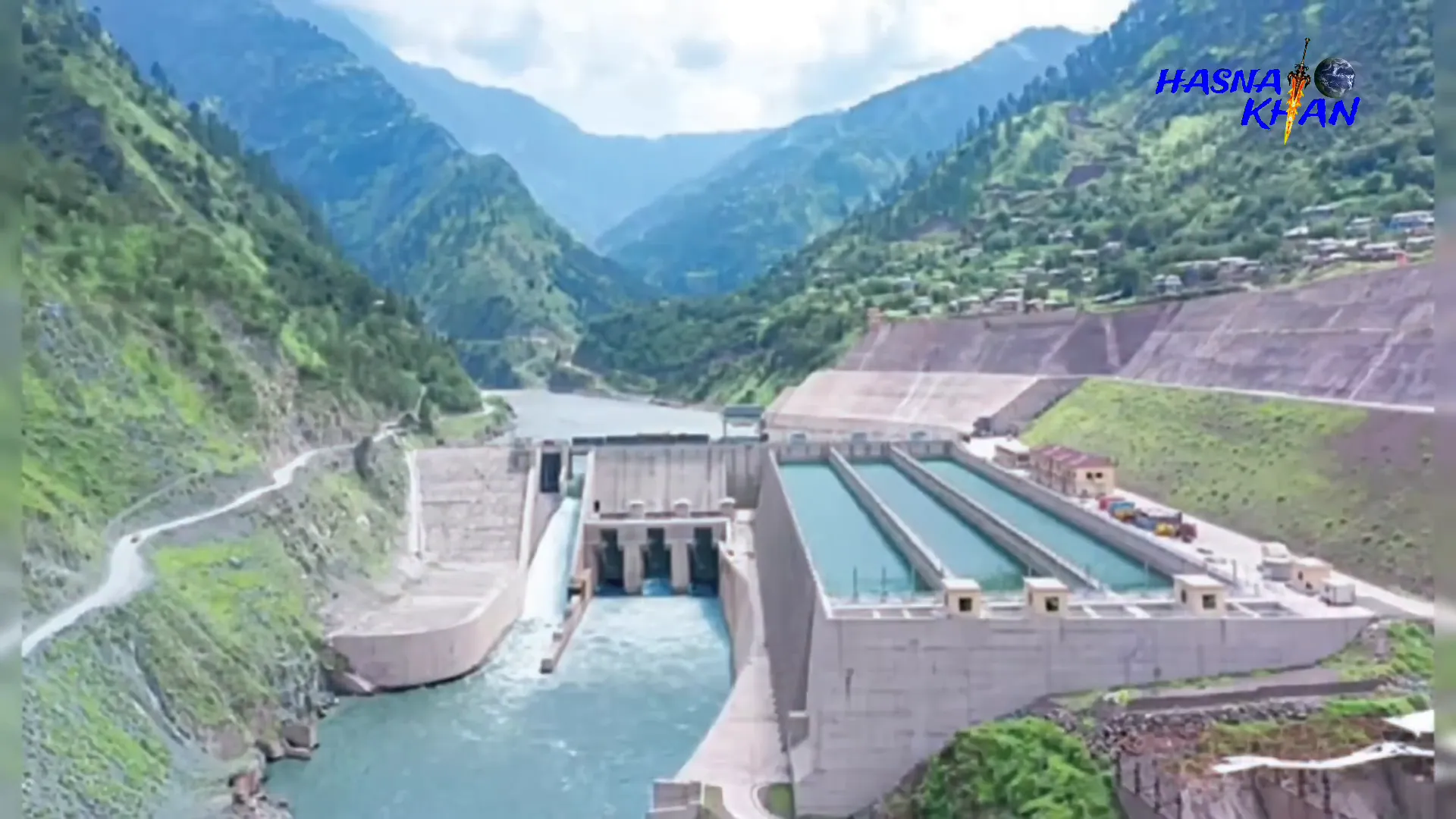
Table of Contents
- The Neelum-Jhelum Hydroelectric Power Plant: An Engineering Marvel
- Strategic Importance of the Neelum-Jhelum Hydroelectric Plant
- Recent Missile Strikes: India’s Attack on the Hydroelectric Plant
- Humanitarian and Legal Implications of the Attack
- Pakistan’s Military Response and Strategic Position
- Casualties and Media Coverage
- India’s Military Performance and Strategic Challenges
- Geopolitical Implications and Future Outlook
- Conclusion: A Critical Juncture in South Asian Security
- Frequently Asked Questions (FAQ)
The Neelum-Jhelum Hydroelectric Power Plant: An Engineering Marvel
The Neelum-Jhelum Hydroelectric Power Plant is situated on the Neelum River in the Muzaffarabad district of Pakistan-administered Kashmir. This plant is not only a significant source of electricity but also a symbol of advanced engineering and strategic importance for Pakistan.
With a total electricity generation capacity of 969 megawatts, it stands as Pakistan's largest low-cost power generation facility. Construction began in 2008 and the plant became fully operational by 2018.
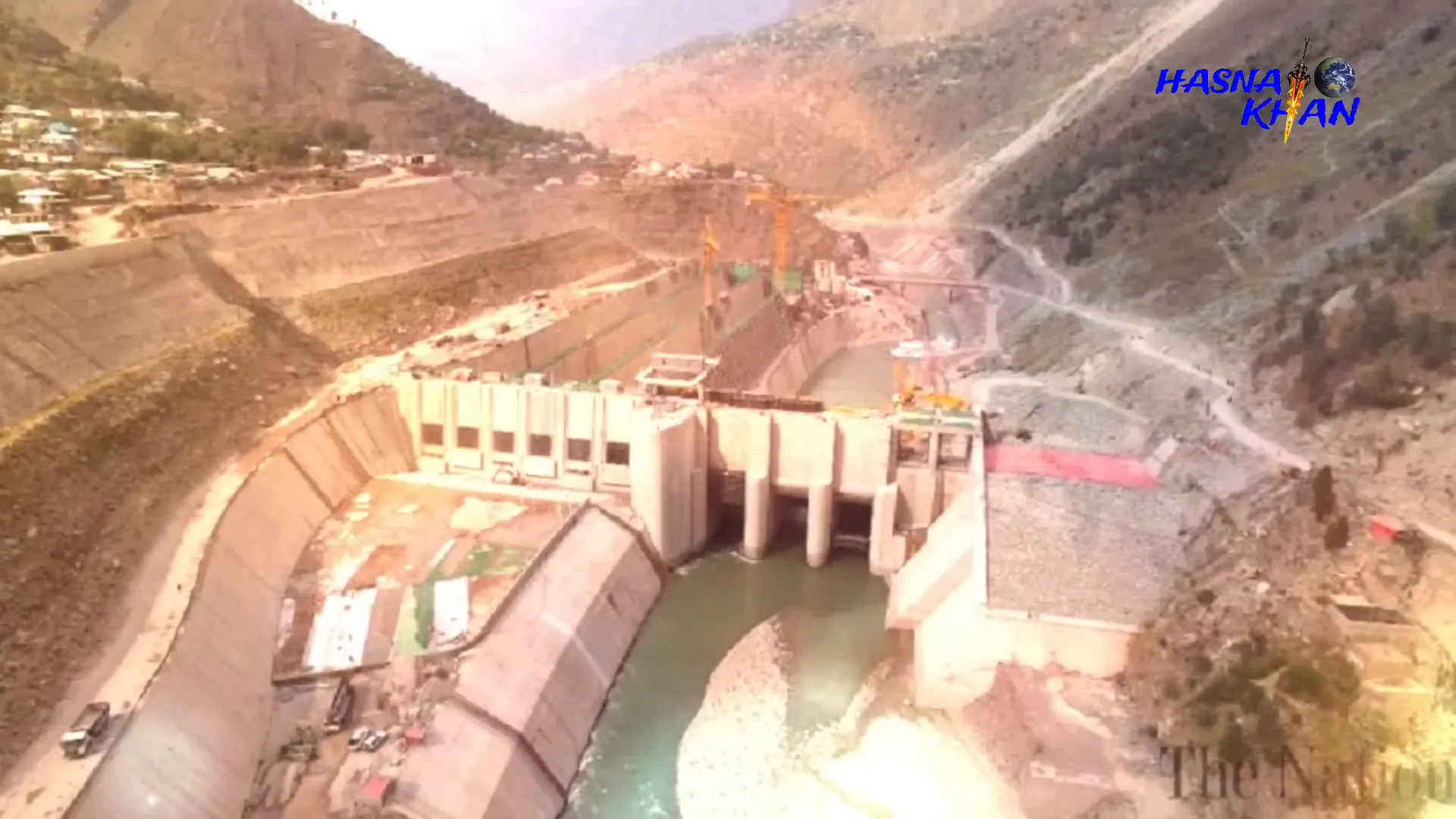
One of the most remarkable features of this project is its predominantly underground infrastructure — approximately 90% of the plant's facilities are located beneath the earth’s surface. This subterranean design was achieved with critical technical and engineering assistance from China, showcasing a blend of innovation and strategic foresight.
A 52-kilometer-long tunnel was constructed beneath various mountain ranges to divert water from the Neelum River to the Jhelum River. This tunnel plays a vital role in channeling the water efficiently to the power plant, enabling it to generate significant amounts of electricity.
Strategic Importance of the Neelum-Jhelum Hydroelectric Plant
The plant is not merely an energy source; it holds substantial strategic value. It supplies electricity to the entire Pakistan-administered Kashmir region and functions as a massive water reservoir. This reservoir acts like a large bomb, storing vast quantities of water that could have catastrophic consequences if released suddenly.
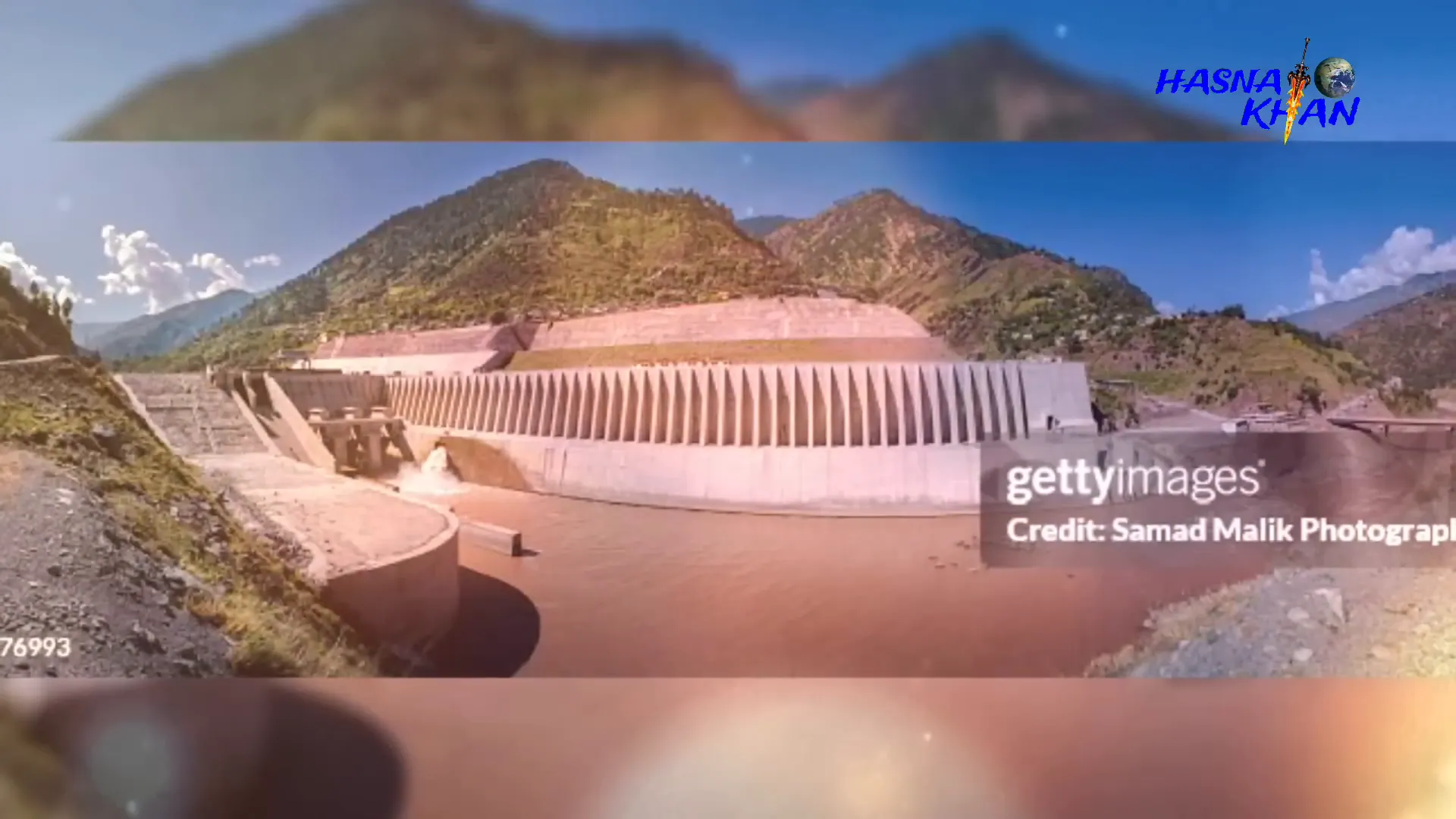
The intake structure of the plant, located at the Nasir Dam on the Neelum River, is crucial. Damage to this structure could result in devastating floods in downstream villages, potentially causing the loss of at least 100,000 lives. This highlights the plant’s dual significance as both an energy hub and a critical safeguard for local populations.
Recent Missile Strikes: India’s Attack on the Hydroelectric Plant
Amid the ongoing conflict, India launched 24 missile strikes within 25 minutes targeting various locations inside Pakistan-administered Kashmir. While India claimed these strikes were aimed at militant hideouts, the reality paints a more complex picture.
One of the key targets was the Neelum-Jhelum Hydroelectric Power Plant. Pakistani authorities reported that an Indian missile directly hit the intake structure of the Nasir Dam. The impact damaged the intake gate’s standard unit and a hydraulic production unit, forcing a cessation of electricity generation at the plant.
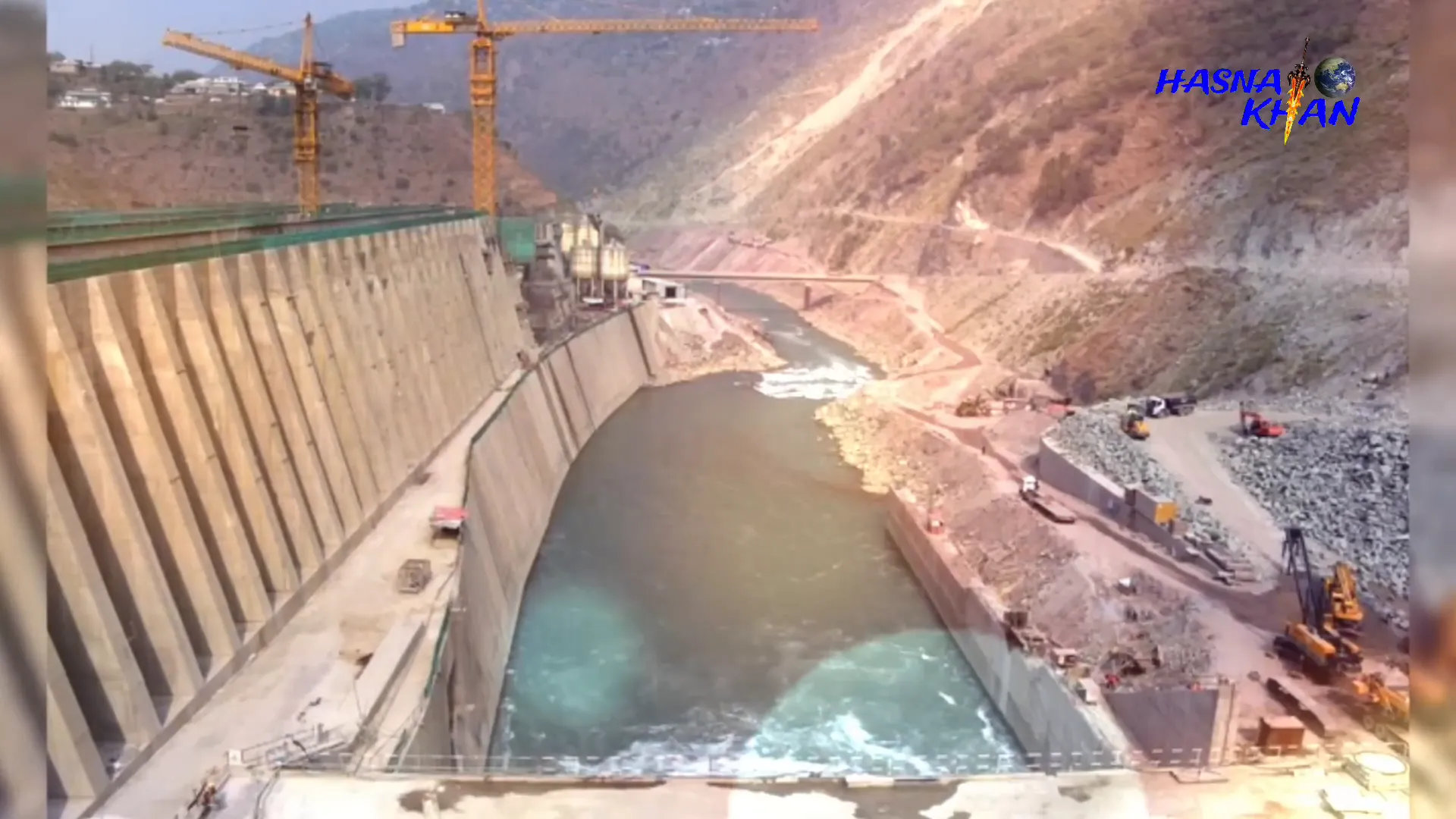
This attack is significant because it not only disrupts the power supply but also threatens the safety of thousands of civilians living downstream. The potential for a catastrophic flood due to damage to the dam’s intake structure was averted, but the incident underscores the vulnerability of critical infrastructure in conflict zones.
Humanitarian and Legal Implications of the Attack
The missile strikes on the Neelum-Jhelum plant represent a grave violation of international law, particularly because they targeted civilian infrastructure vital to the local population’s survival. The attack was not just a military maneuver but also an attempt to inflict harm on civilian lives, which is prohibited under international humanitarian law.
Pakistan’s military and administrative authorities have condemned the attacks, labeling them as malicious and unlawful. The strikes targeted not only military objectives but also the civilian population, aiming to cause widespread damage and fear.
Pakistan’s Military Response and Strategic Position
In response to these aggressive actions, Pakistan convened an emergency meeting involving the military and government officials. The Pakistani army was granted full authority to take any necessary measures along the border, including offensive operations if deemed essential.
This decision aligns with Article 51 of the United Nations Charter, which allows member states to exercise their right to self-defense if attacked. Pakistan has activated this clause and empowered its military to retaliate accordingly.
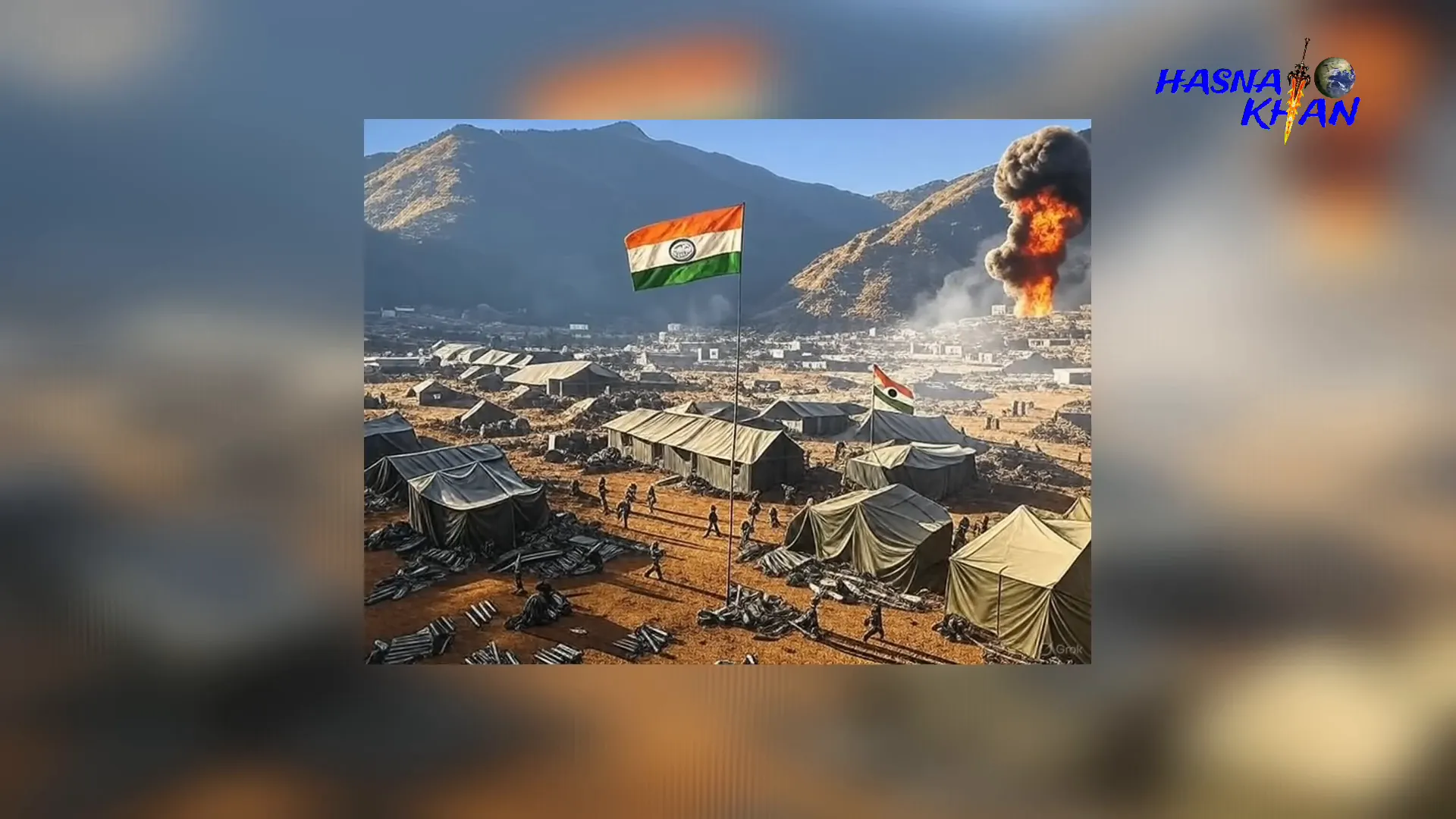
Consequently, the Pakistani military conducted artillery fire targeting Indian forces along the Line of Control (LoC). In a significant development, Pakistani forces crossed the LoC and launched a surprise attack on an Indian military post located at the base of a mountain ridge. Reports indicate that at least 10 Indian soldiers were killed in this operation.
Indian media sources have confirmed the unexpected nature of the Pakistani counter-offensive, expressing surprise over the swift and effective response.
Casualties and Media Coverage
According to reports from both Pakistani and Indian sources, the recent clashes have resulted in considerable casualties on both sides. Pakistani sources report 26 fatalities within their ranks, while Indian sources confirm at least 12 deaths, including some pilots whose identities have not been disclosed.

Bangladeshi media outlets, referencing Indian sources such as NDTV, have widely covered these developments. The Daily Star Bangladesh and Inqilab have reported extensively on the fatalities and ongoing conflict, highlighting the seriousness of the situation.
India’s Military Performance and Strategic Challenges
The recent military engagements have exposed vulnerabilities in India’s defense capabilities. India lost three modern fighter jets during the operation—two Rafale jets and one Su-30 fighter. This loss occurred despite India deploying 24 missiles in the strikes.
Military experts have criticized this as a poor performance, especially considering that the Indian jets operated under the protective umbrella of Russia’s S-400 air defense system stationed in Pakistan. The S-400 system successfully intercepted several missile threats, limiting the effectiveness of the Indian offensive.
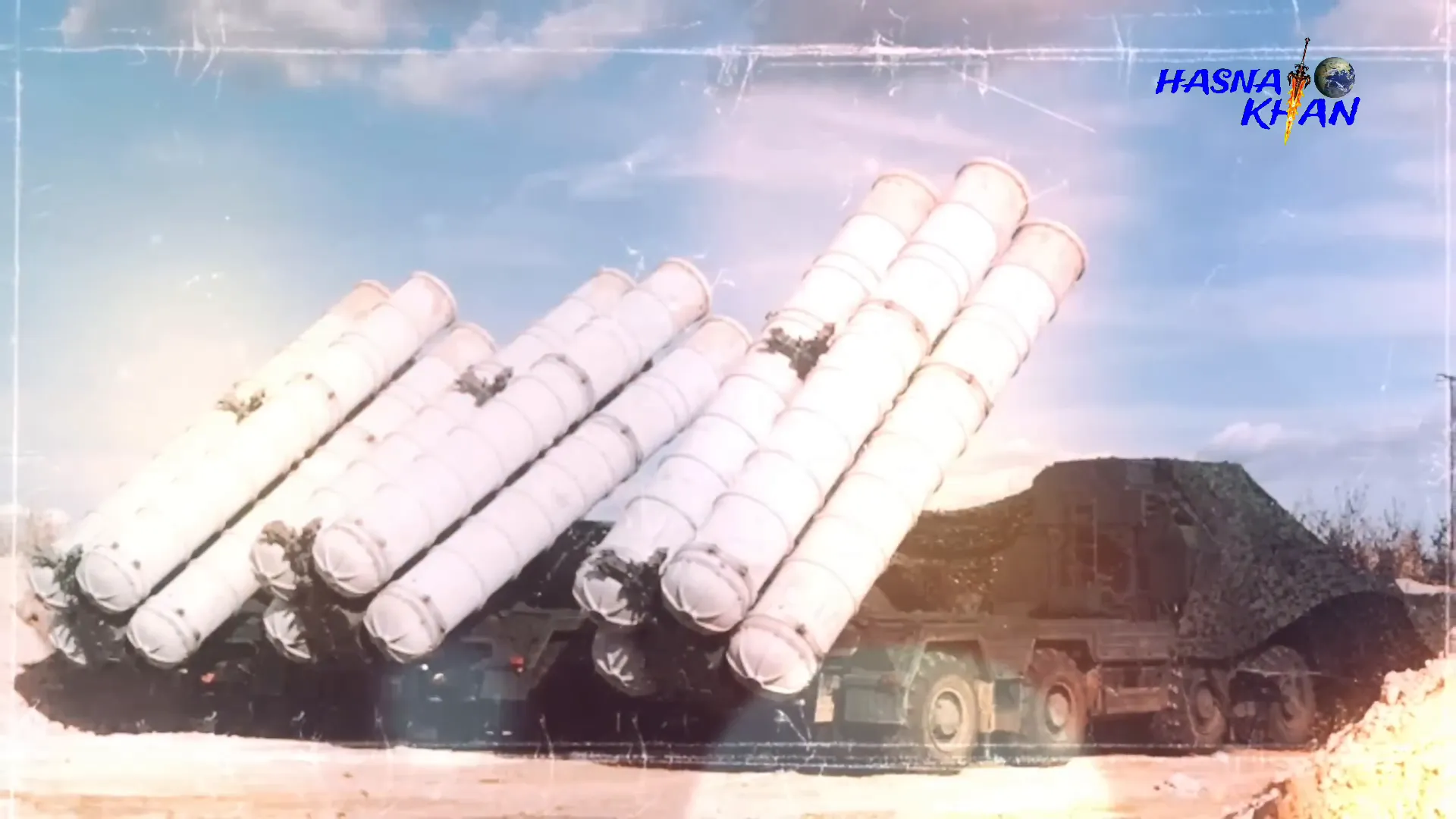
The failure to achieve decisive results despite advanced technology raises questions about India’s military preparedness and strategic planning. The incident has also sparked debate about India’s ability to counter China, given that China’s technology has indirectly contributed to Pakistan’s defense capabilities.
Geopolitical Implications and Future Outlook
The escalation in Kashmir is part of a broader regional struggle involving India, Pakistan, and China. India’s attempts to weaken neighboring countries and assert dominance in South Asia have been met with strong resistance, as demonstrated by the recent military setbacks.
India faces increasing pressure internationally to demonstrate its military strength and strategic prowess. Failure to do so could undermine its position as a regional power and affect its alliances, including those with the United States.
The current situation suggests that India may plan further retaliatory attacks to maintain its military image. However, Pakistan is also preparing for future confrontations, making the border region highly volatile and unpredictable.
Conclusion: A Critical Juncture in South Asian Security
The Neelum-Jhelum Hydroelectric Power Plant incident and the subsequent military exchanges mark a critical juncture in South Asian security dynamics. The attack on such a vital civilian infrastructure underscores the dangerous escalation of hostilities and the urgent need for diplomatic solutions.
Pakistan’s robust military response, backed by international legal provisions, demonstrates its resolve to defend its sovereignty and protect its people. Meanwhile, India’s strategic and technological challenges highlight the complexities of modern warfare in the region.
As tensions continue to simmer, the international community must pay close attention to these developments and encourage peaceful dialogue to avoid further bloodshed and instability.
Frequently Asked Questions (FAQ)
What is the Neelum-Jhelum Hydroelectric Power Plant?
The Neelum-Jhelum Hydroelectric Power Plant is a large underground hydroelectric facility located on the Neelum River in Pakistan-administered Kashmir. It has a generation capacity of 969 megawatts and supplies electricity to the region.
Why is the Neelum-Jhelum plant strategically important?
Besides electricity generation, the plant acts as a massive water reservoir. Its intake structure controls significant water flow, and any damage could cause catastrophic flooding downstream, threatening thousands of lives.
What happened during the recent missile strikes?
India launched 24 missile strikes targeting various locations in Pakistan-administered Kashmir, including the Neelum-Jhelum plant. One missile hit the intake structure of the Nasir Dam, damaging the plant and halting electricity production.
How did Pakistan respond to the missile attacks?
Pakistan convened an emergency meeting, authorized its military to take necessary actions, and launched retaliatory artillery fire. Pakistani forces also crossed the Line of Control and conducted a surprise attack on an Indian military post.
What are the casualties from the recent conflict?
Reports indicate that 26 Pakistani soldiers and at least 12 Indian personnel, including pilots, were killed in the recent clashes.
What does this conflict mean for regional security?
The conflict highlights ongoing tensions between India and Pakistan, with broader implications involving China. It underscores the need for diplomatic engagement to prevent further escalation and maintain peace in South Asia.
